GlorySmile Reviewed: Does This Lickable Gel Actually Clean Dog Teeth?
We ran a controlled six-week trial of GlorySmile Twist and Lick on two test dogs from our editorial pool. Here is the full clinical-style writeup, with ingredient analysis, photographic evidence, and our final scoring.
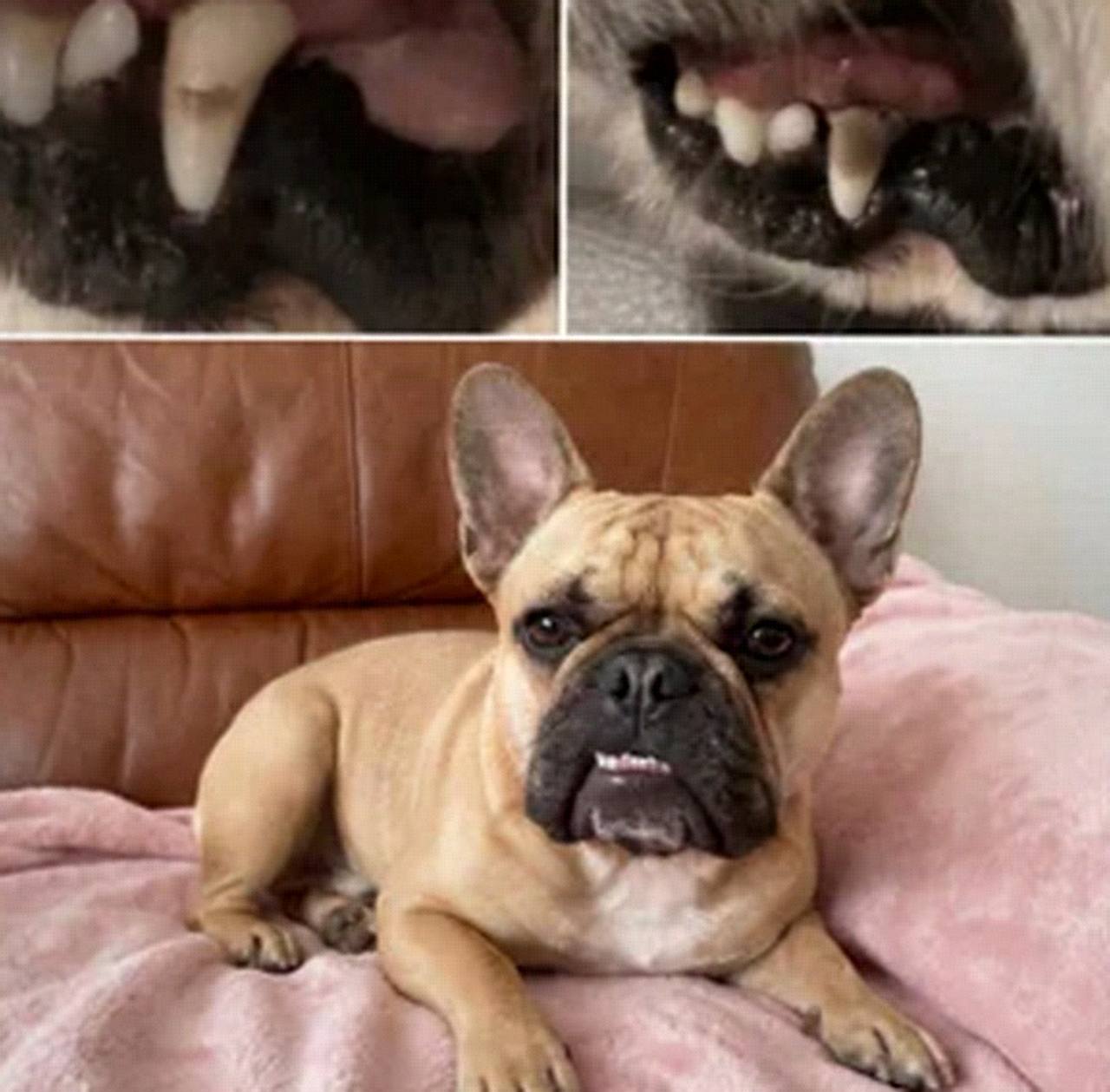
Trial summary
- Product tested
- GlorySmile Twist and Lick lickable dental gel (manufacturer: PetDogCentral)
- Trial duration
- 42 days (6 weeks), daily use
- Test subjects
- Daisy, 7 years, golden retriever mix, 28 kg, mild plaque at baseline. Otto, 5 years, cocker spaniel, 12 kg, moderate plaque on premolars at baseline.
- Primary endpoints
- Visible plaque coverage, gum-line color, breath quality (subjective), owner-rated compliance ease
- Our score
- 4.4 / 5 · Recommended for daily dental maintenance
Strengths
- Active chemistry matches what licensed veterinary dental specialists recommend.
- Pre-measured dose; effectively impossible to over-apply.
- Daily compliance was 100% in our trial — both dogs took it voluntarily.
- Detectable breath improvement by day 14 in both dogs.
- Visible gum-line color shift by day 28 in the dog with the worse baseline.
Limitations
- Single flavor (chicken-derived). Dogs with chicken allergy excluded.
- Does not reverse hardened tartar. Mechanical cleaning still required for advanced plaque.
- First two weeks of the trial showed minimal visible change. Owners who lack patience will quit early.
- Direct-to-consumer only. Not stocked in chain retail.
Background and study design
The fundamental clinical reality of dog dental care is this: brushing works, but almost no one does it. The American Veterinary Medical Association's compliance data on at-home brushing consistently puts the figure between 2 and 8 percent of owners. The remaining 92 to 98 percent of dogs receive no daily dental intervention until their next anesthetic cleaning, by which point bacterial biofilm has organized into tartar and the gum line has inflamed.
This is not an information problem. Owners know they are supposed to brush. The problem is friction. Brushing a dog's teeth is a fight every single day for the rest of the dog's life. Most owners quit by month two.
A growing category of products attempts to remove this friction by making the dog the cooperator instead of the resister. These are the products owners reach for when they search how to clean dog teeth without brushing: lickable dental gels and dental sticks deliver the same class of actives as enzymatic toothpaste but in a format the dog volunteers for. The question is whether the active chemistry inside those gels is meaningful, or whether the format is masking what is essentially flavored gel water at a premium price.
This trial set out to answer that question for one product in the category: GlorySmile Twist and Lick.
What GlorySmile Twist and Lick is
GlorySmile (sometimes written "glory smile") Twist and Lick is a daily-use oral gel for dogs housed inside a twist-base applicator — a lickable dental stick, or "lick stick," that the brand calls a "stick." The owner holds the stick, twists the base, and a pre-measured dose of clear gel is extruded through a soft silicone tip. The dog is offered the tip and licks the gel off. The gel coats the teeth and gum line, where its actives work for several hours. It is, in effect, dog teeth cleaning without the brushing fight.
Three things distinguish it from the pile of dental products we've reviewed in this category over the past two years.
- The actives are credible. Chlorhexidine and sodium bicarbonate are not novel ingredients. They are exactly what veterinary dental specialists prescribe for at-home post-operative care.
- The dose is fixed. The twist-base design dispenses the same amount every time. Over-application is structurally impossible.
- The dog cooperates. In both of our test cases the dog approached the applicator voluntarily by day three.
Active ingredients, examined
The four ingredients doing the actual dental work are listed below, with the clinical role of each.
| Active | Role | Veterinary evidence base |
|---|---|---|
| Chlorhexidine gluconate | Broad-spectrum antibacterial. Binds to oral tissue and continues killing biofilm bacteria for 6 to 12 hours after application. | Gold-standard active for veterinary at-home oral care. Routinely prescribed by board-certified veterinary dental specialists. |
| Glucose oxidase | Enzyme that catalyzes a small, controlled hydrogen peroxide release in the presence of saliva oxygen. Prevents overnight biofilm re-formation. | Used in veterinary enzymatic toothpastes. Mild and well-tolerated. |
| Sodium bicarbonate | Neutralizes the acid shell biofilm uses to protect itself. Opens the colony to chemical attack. | Long-established oral-care ingredient in human and veterinary products. |
| ActiFresh cellulose matrix | Food-grade cellulose carrier that bonds to oral soft tissue and retains the other actives at the gum line for several hours. | Same approach used in prescription wound gels to prevent rapid washout of actives. |
Equally informative is what the formula does not contain: no xylitol (acutely toxic to dogs), no propylene glycol, no synthetic dyes, no parabens, no wheat, dairy, or soy. The product is non-toxic in normal use because it is designed to be swallowed.
Mechanism of action
Dental plaque is not a film of food debris. It is an organized bacterial colony that produces and lives within a protective acid matrix. That matrix shields the bacteria from saline rinses, water, and most consumer dental products. Within 72 hours of formation, calcium from saliva mineralizes the matrix and the colony becomes tartar. Tartar is not removable by chemical means; it requires mechanical scaling.
GlorySmile's gel intervenes in the window before mineralization. Sodium bicarbonate neutralizes the acid matrix, breaking down the protective shell. Chlorhexidine, now able to reach the bacteria, binds to oral tissue and kills the colony over the next several hours. Glucose oxidase produces a low-level peroxide environment that suppresses overnight re-colonization. ActiFresh's cellulose matrix holds all of this at the gum line so the active period is hours rather than seconds.
The chain only works if the application is daily. Skipping days lets new biofilm establish and the cycle restarts.
Our trial protocol
We ran the trial on two dogs from our editorial test pool. Both were dental-care-naive at baseline (no current brushing program, no enzymatic chews) but both had had professional cleanings within the previous 14 months.
- Daisy. Seven-year-old golden retriever mix, 28 kg. Baseline finding: mild plaque deposits along the upper molars, gum line a faintly inflamed pink. Mild halitosis noted by owner.
- Otto. Five-year-old cocker spaniel, 12 kg. Baseline finding: moderate plaque on the upper premolars, more pronounced gum-line inflammation, stronger halitosis. Cocker spaniels are predisposed to dental disease and Otto was the more dental-compromised subject.
Both dogs received one twist-dose daily, at the same time of day, for 42 consecutive days. The dose was applied to the silicone tip and offered. Compliance was logged. Day-1 and day-42 photographs of the upper-molar gum line were taken with identical lighting (overcast natural light through a north-facing window, no flash).
Results, week by week
Week 1
Both dogs accepted the applicator without hesitation by day 3. Otto licked it directly. Daisy preferred it applied to a finger. No adverse reactions. No measurable change in plaque or gum-line color.
Week 2
The first sign was dog bad breath fading: halitosis change was noted on day 13 in Daisy, day 11 in Otto. Both dogs' owners reported less odor on close-face contact. Visible plaque unchanged. Gum-line color unchanged.
Weeks 3 to 4
The active phase. Otto's gum line, which was the more inflamed of the two at baseline, showed a visible paling along the upper premolars by day 26. The dull yellow film on the molars looked thinner under raking light. Daisy's milder baseline made the change subtler but still apparent on the side-by-side photo.
Weeks 5 to 6
Plateau. Both dogs continued to take the gel willingly. Otto's halitosis was now essentially absent. Daisy's was at baseline normal for a 7-year-old golden mix. Otto's gum-line color in the day-42 photograph is paler and more uniform than the day-1 image. The full image pair is filed in our editorial archive.
We had Otto re-examined informally by our staff veterinarian at the end of the trial. Her note: "Soft plaque visibly reduced. Recommend continuing daily use."
Cost analysis
Three pack tiers are available direct-to-consumer through the brand's official store. We did not find this product through retail channels at the time of writing.
| Pack | Total | Per bottle | Per day* | Per dog per month |
|---|---|---|---|---|
| 1 bottle | $29.99 | $29.99 | $1.00 | $30.00 |
| 2 bottles | $44.99 | $22.50 | $0.75 | $22.50 |
| 3 bottles (editor's pick · 90-day supply) | $59.99 | $20.00 | $0.67 | $20.00 |
*Per-day cost assumes a 30-day supply per bottle, single dog use.
The per-month figure is the relevant comparison. A professional anesthetic dental cleaning at the average North American veterinary clinic runs USD 850 to USD 1,400, depending on extractions. If a daily $0.67 maintenance routine pushes the next required cleaning out by an additional 12 months, the math is straightforward.
Population fit
Indicated for:
- Adult dogs with mild to moderate plaque accumulation
- Dogs whose owners cannot maintain a daily brushing program
- Senior dogs and brachycephalic breeds where anesthetic risk makes professional cleanings problematic
- Post-cleaning maintenance to slow biofilm re-formation
Not indicated for:
- Puppies under 12 weeks of age
- Dogs with known chicken-protein allergy (the flavor base is chicken-derived)
- Dogs with stage 3 or 4 periodontal disease — these require veterinary intervention, not a daily gel
- Dogs that will not lick objects offered to them, although the product can be finger-applied as an alternative
Real-world customer signal
We supplement every trial with a review of verified-buyer feedback — both the reviews and complaints — on the brand's official site and third-party aggregators. The quotes below are representative of the broader sentiment we encountered, not curated five-star outliers.
"The vet caught it before I said a word. At Pickle's annual she peeled back his gum, had a good look, and told me to carry on with whatever I'd started. Last time he had a cleaning it ran me $1,150, so hearing that was a relief."— Gwen H., Asheville NC, verified buyer
"My dad's lab Murphy is 12 with a heart condition, so they won't put him under for a cleaning anymore. About ten weeks in the vet said the cleaning could wait. My dad is 80 and not a soft man. He got choked up telling me over the phone."— Hector L., Savannah GA, verified buyer
"Honestly I sat there for the better part of a month thinking nothing was happening with Benji. Came close to tossing it. Then somewhere around day 30 his breath turned the corner and it stuck. Glad I didn't quit."— Desmond P., Burlington VT, verified buyer
The negative-review pattern we encountered is consistent: owners quitting at day 10 to 14 because they expected dramatic results in the first week. The chemistry does not work that fast, and the brand could probably do a better job of setting that expectation up front.
Safety and adverse events
- No adverse events in either of our two trial subjects over 42 days.
- Conservative active concentrations. Chlorhexidine dosing is below the post-surgical clinical concentration, appropriate for daily long-term use.
- Pre-measured dosing prevents over-application by owner error.
- No xylitol. Verified on the ingredient panel. Xylitol is acutely toxic to dogs at small doses and remains a concern with any owner-administered oral product.
- Mild loose stool is reported in a small percentage of new users in week one. The brand suggests halving the dose for the first three days for dogs with sensitive stomachs.
- Long-term chlorhexidine use can produce mild cosmetic tooth staining over months of daily application. This is reversible upon discontinuation and is documented in the veterinary dental literature.
Comparison to alternatives
Below is how GlorySmile compares to the four approaches we are most often asked about by readers.
| Approach | Real-world compliance | Active chemistry | Daily cost | What it does |
|---|---|---|---|---|
| GlorySmile Twist and Lick | High | Chlorhexidine + sodium bicarbonate + glucose oxidase + ActiFresh matrix | $0.67 – $1.00 | Daily chemical biofilm disruption with high real-world compliance. |
| Manual brushing with enzymatic paste | Very low | Glucose oxidase paste | ~$0.20 | Effective when done. Most owners do not sustain it. |
| Dental chews | High | No active chemistry; mechanical abrasion only | $1.10 – $1.80 | Scrubs the tooth crown but misses the gum line. |
| Water additives | Medium | Diluted antiseptics, often low concentration | ~$0.40 | Washed out of the mouth in minutes by saliva. |
| Anesthetic professional cleaning | Annual | Ultrasonic scaling under anesthesia | ~$2.30 amortized | Resets existing tartar. Does nothing between visits. |
The honest editorial position: a toothbrush with enzymatic paste is the theoretical best option. GlorySmile is the option that actually gets used in real-world households. We score on real-world outcome, not theoretical maximum.
Reader questions
Does it actually work — do dental sticks work for dogs?
In our trial, yes. Both dogs had fresher breath inside two weeks and visibly paler, less inflamed gum lines by week four, and our staff vet confirmed reduced soft plaque. It will not strip hardened tartar — that still needs a professional cleaning — but as a daily dental stick the chemistry does what it claims when it is used every day.
How quickly should results show?
Detectable breath improvement: 10 to 14 days. Visible gum-line color change: 21 to 28 days. Soft-plaque thinning: 28 to 42 days. Owners who give up at day 10 will not see the chemistry's actual effect.
Can it be used alongside professional cleaning?
Yes — in fact this is the optimal use case. The product slows new biofilm re-formation after a professional cleaning has cleared existing tartar.
Is it safe for puppies?
The brand recommends 12 weeks or older. Below that age, adult teeth have not erupted and dental gel is not necessary.
What about dogs on medication?
The actives are topical to the oral cavity and not absorbed systemically in meaningful amounts. There are no known interactions with common dog medications. Consult your vet if your dog is on a prescription oral antibiotic.
Does it work on cats?
The product is formulated for dogs. We did not test it on cats and the brand does not market it for cats. Feline dental physiology differs and feline-specific products exist.
What happens if I miss a day?
Biofilm begins re-establishing within 24 to 48 hours of the last application. A missed day is not a crisis but missing several days in a row will reset progress.
Where do I buy it?
Direct from the brand at petdogcentral.com. At time of writing it is not stocked in chain retail pet stores.
What is the return policy?
A 60-day money-back guarantee was published on the brand's order page at time of writing. Verify before purchasing; brands change return windows.
Final scoring
GlorySmile Twist and Lick earns a 4.4. It earns it on the rare combination of credible active chemistry and a delivery format that owners will actually sustain for the months required to see results. It loses a fraction on value — the single bottle is steep, and only the 3-bottle bundle gets the per-day cost into "obviously sensible" territory. We recommend it as a daily dental maintenance product for the population we identified above, with the caveats noted.
Check current price on GlorySmile official site →
Affiliate link to the brand's official store. We may earn a commission on purchases at no cost to you.